
What type of date sugar is it
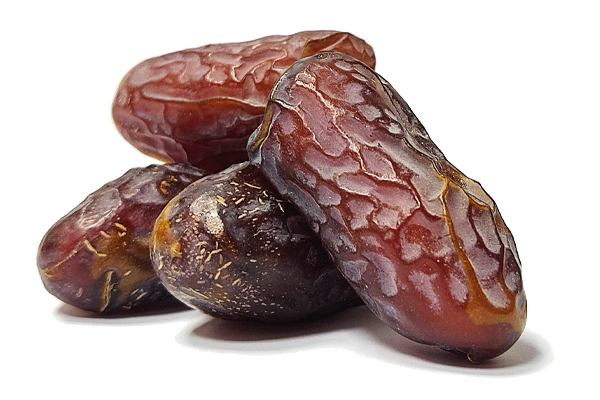
Dates are classified as fruits. Of course, dates are a fruit that is rich in sugar, and every 3 dates is considered one unit of fruit. This fruit is a great alternative to sugar because of its sweetness, which comes from fructose (a natural sugar).
How much sugar is in dates
The sugar in one date is equivalent to 3 sugar cubes. Also, the sugar and calorie content of dried dates is higher than that of fresh dates. The sugar content of one dried date is about 4.8 grams. Each raw date has 20 kilocalories of energy and 5 grams of sugar.
If we want to examine this fruit in terms of providing vitamins such as A and C, we can say that a date cannot be an important supplier of these vitamins in the body, but when we consider 4 units of fruit in an individual’s diet, that person can consume 3 servings of fruit and 3 dates as one serving of fruit throughout the day.
Date sugar, like other fruits, is a mixture of fructose and glucose, and because these sugars are usually accompanied by fiber, their consumption is superior to simple sugars. Of course, this does not mean that you should overeat dates. Dates contain both sugar and calories, and consuming too much of them can cause weight gain and obesity.
Each date weighs about 10 grams and is nearly 23 percent water and contains a small amount of protein. Eating this fruit is very suitable for breaking the fast during the holy month of Ramadan because the sugar in the dates is easily absorbed and quickly compensates for hypoglycemia (low blood sugar) in the fasting person during the break of the fast.
Consuming dates is recommended for everyone and no one has any contraindications for this fruit. Of course, it is better for diabetic patients to consume one portion of their date fruit in 3 different times throughout the day because the glycemic index of dates is much lower than other foods and consuming them at intervals does not cause any problems for diabetic patients.
Glycemic index of dates
The glycemic index (GI) is another factor to consider when considering whether dates are suitable for people with diabetes. The GI of a food reflects its effect on blood sugar levels. Foods that cause a faster and greater rise in blood sugar levels have a higher GI.
Doctors consider foods with a GI value below 55 to be low GI foods. Based on research from multiple studies, the average GI of dates is 42. This makes dates classified as a low GI food and safe for people with diabetes when consumed in moderation.
Is date sugar fattening
Although dates aren’t exactly a low-calorie food, they can be part of a low-calorie diet without causing weight gain, as long as you eat them in moderation. If you’re like most people on a diet, you probably avoid these types of sweet, sugary foods.
However, what you may not know is that dates can actually help you lose weight by curbing hunger and cravings. The fruit is very high in natural sugar and provides instant energy. Therefore, the best time to eat dates is in the morning or before/after the gym. This way, they fuel your body instead of adding extra fat to your belly and waist.
Is date sugar suitable for diabetics`
Dates are a concentrated source of natural sugars. While people monitoring their blood sugar may need to moderate their intake of dates, a small study found that this stone fruit has a low glycemic index (GI) and shouldn’t cause a large spike in blood sugar.
According to a studyTrusted Source , dates are a low glycemic index food that does not cause a significant increase in blood sugar levels in people with or without diabetes. The researchers’ findings suggest that eating dates in moderation should not have a significant impact on a person’s blood sugar.
People with diabetes can likely eat a serving of 2 to 3 dates at a time. However, a person should talk to their doctor to make sure that consuming dates is safe for them.
People with the condition must limit their carbohydrate intake to keep their blood sugar levels stable. One study found that people with diabetes did not experience a spike in blood sugar after eating the equivalent of 7 to 10 dates. However, the researchers noted that these fruits are high in calories, with 100 grams (g) of date flesh containing approximately 314 calories.
Is sugar better or dates
To replace dates with sugar, make a date paste by mixing 2 cups (480 grams) of pitted dates with 1/4 cup (300 ml) of water, then use this paste in place of sugar in your recipes.
The fiber in dates may help slow the absorption of carbohydrates into the body, which may reduce the risk of blood sugar spikes. Combining dates with a source of protein and fat, such as almonds, may slow digestion and help manage blood sugar levels.
However, researchers noted that dates and raisins are more nutritious than simple sugar, making them a more suitable snack choice.
Why replace sugar with dates
It is true that sugar is obtained from sugar cane and beets, but it is processed in a factory and its structure is removed from its natural state. For this reason, like any other processed and factory-made substance, it has numerous disadvantages compared to natural foods, including:
overweight
Obesity rates are rising worldwide, and evidence suggests that added sugar – often sugar-sweetened beverages – is a major contributor to obesity.
ACNE
A diet high in refined carbohydrates, including sugary foods and drinks, has been linked to an increased risk of acne. Foods with a higher glycemic index, such as processed sweets, raise your blood sugar more quickly than foods with a lower glycemic index.
Consuming sugary foods can increase blood sugar and insulin levels, which leads to increased androgen secretion, oil production, and inflammation — all of which contribute to acne.
Type 2 diabetes
Diabetes is a leading cause of death and reduced life expectancy. Its prevalence has more than doubled in the past 30 years, and projections estimate that its burden will continue to increase. Long-term high sugar intake causes resistance to insulin, a hormone produced by the pancreas that regulates blood sugar levels.
Insulin resistance causes high blood sugar levels and greatly increases the risk of diabetes. Research has shown that people who consume sugar-sweetened beverages are at a higher risk of developing diabetes.
cancer
Eating large amounts of sugar may increase the risk of certain cancers. A diet rich in sugary foods and drinks can lead to obesity, which significantly increases the risk of cancer.
While a healthy diet can help improve your mood, a diet high in added sugar and processed foods may contribute to changes in mood and emotions. High sugar intake has been linked to cognitive impairment, memory problems, and emotional disorders such as anxiety and depression.
Accelerates the skin aging process
Wrinkles are a natural sign of aging skin. They will eventually appear regardless of your health. However, poor food choices can worsen wrinkles and accelerate the skin aging process.
Advanced glycation end products (AGEs) are compounds that form when sugar and protein react in your body. They play a key role in skin aging. Eating a diet high in refined carbohydrates and sugar leads to the production of AGEs, which contribute to premature skin aging.
Increased cell aging
Telomeres (structures found at the ends of chromosomes) are molecules that hold some or all of your genetic information. Telomeres act as protective caps, preventing chromosomes from breaking down or fusing together.
As we age, telomeres naturally shorten, which causes cells to age and malfunction. Although telomere shortening is a natural part of aging, certain lifestyle choices can accelerate this process.
As we age, telomeres naturally shorten, which causes cells to age and malfunction. Although telomere shortening is a natural part of aging, certain lifestyle choices can accelerate this process.
Energy drain
Foods high in added sugar quickly raise blood sugar and insulin levels, leading to a surge in energy. However, this boost in energy levels is short-lived. Products that are loaded with sugar but lack protein, fiber, or fat provide a brief energy boost that is quickly followed by a sharp drop in blood sugar.
To avoid this energy-draining cycle, choose carbohydrate sources that are low in added sugar and high in fiber, such as dates.
fatty liver
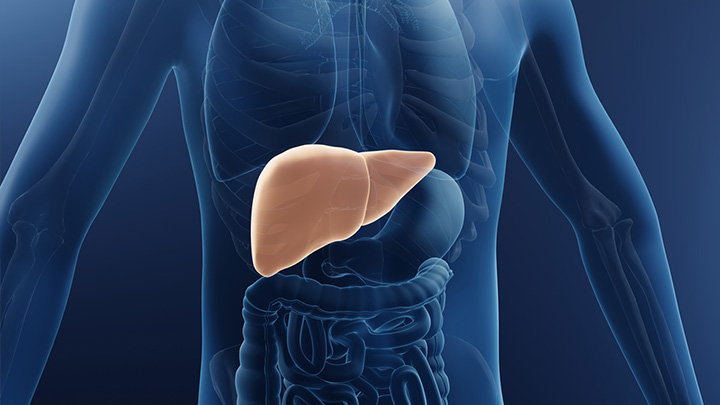
High fructose consumption has been consistently linked to an increased risk of fatty liver. Unlike glucose and other types of sugar, which are absorbed by many cells in the body, fructose is broken down almost exclusively by the liver. In the liver, fructose is converted into energy or stored as glycogen.
However, the liver can only store so much glycogen before the excess is converted to fat. Large amounts of added sugar in the form of fructose overload your liver, leading to nonalcoholic fatty liver disease (NAFLD), a condition characterized by excessive fat accumulation in the liver.